
Do You Need a Real Camera, or Is Your Phone Enough?
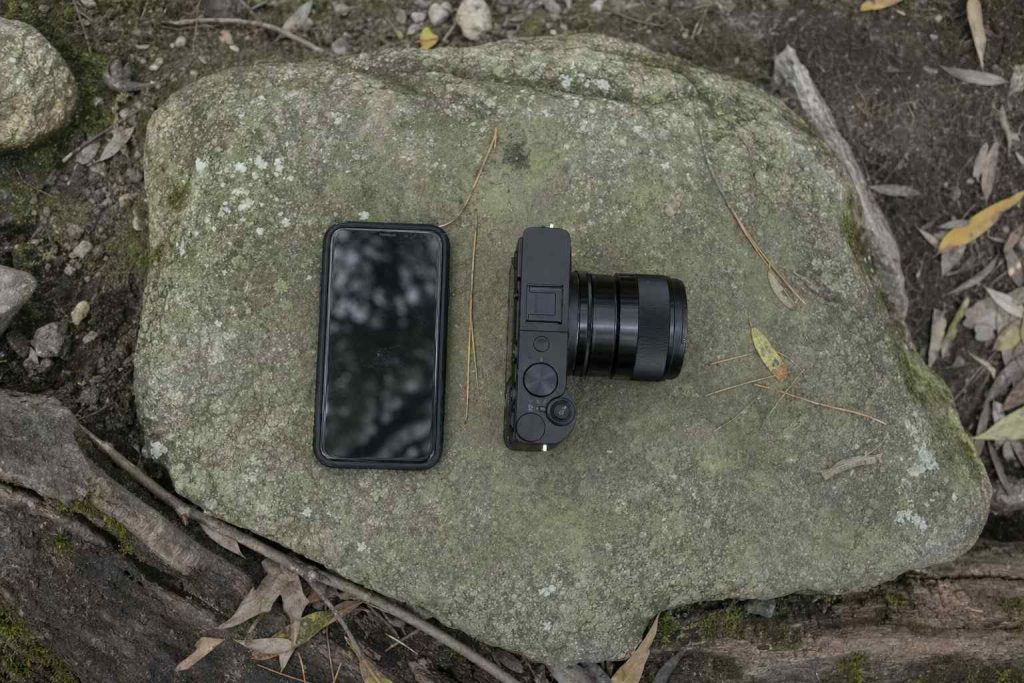
The question comes up at every family hike, every birthday, every trail walk: do you need a camera, or does the phone in your pocket cover it?
The honest answer is that your phone covers more than you think.
Where a dedicated camera pulls ahead is specific, and narrower than the gear ads suggest. Here is what each one does well, and how to pick.
What a Phone Does Very Well
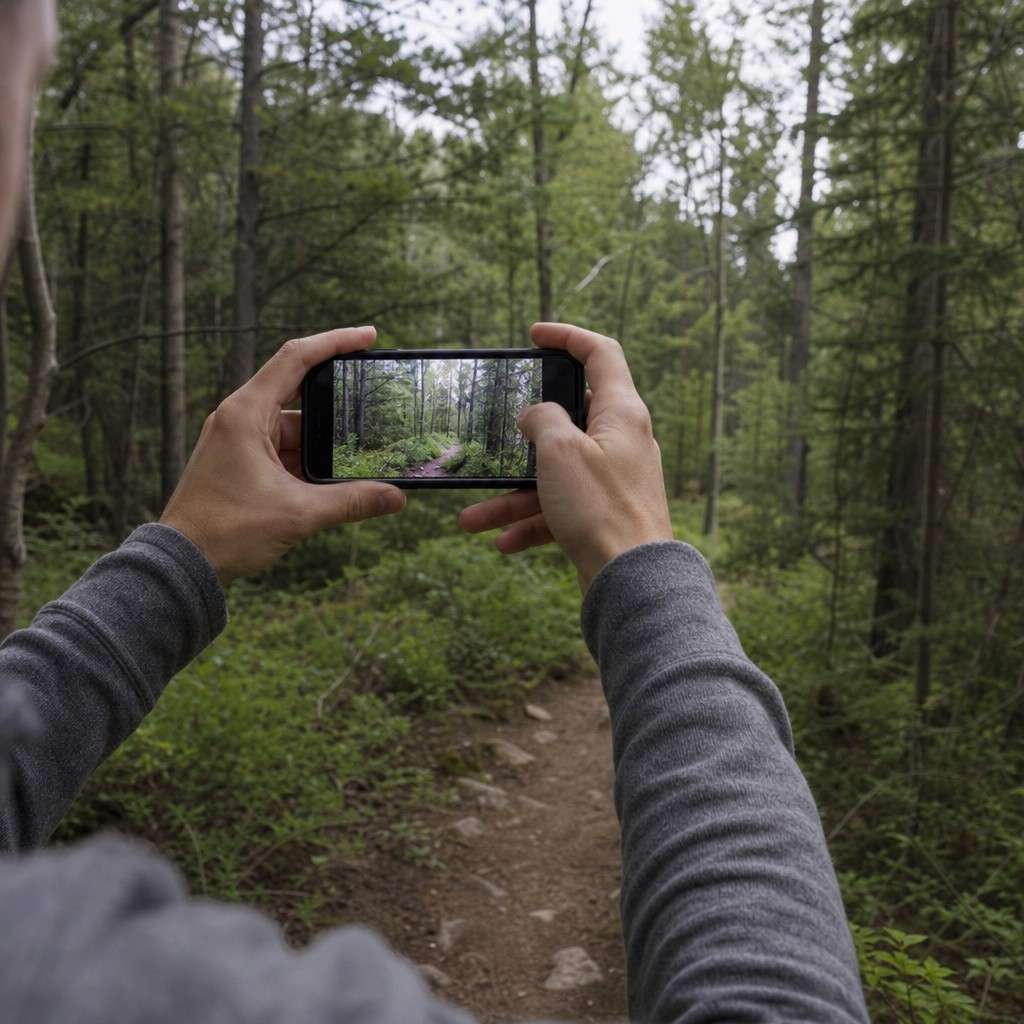
Modern phones have closed a large gap, and for most outdoor and family shooting the gap is gone.
A phone is always with you, and that is not a small thing. The best outdoor light lasts ten minutes. The moment a child stops running and looks back is two seconds. A camera in a bag at home does not take that picture.
Beyond the always-there advantage, current phones handle a lot of outdoor conditions on their own.
Computational photography, the processing that runs automatically behind every tap, combines several frames into one. The result is less noise in shade, better color in tricky light, and detail pulled from both the bright sky and the dark foreground.
Most people never need to touch a setting to get that.
Phones are also the right choice for:
- Family photos and portraits in decent light, including overcast afternoons.
- Wide scenes and scenic overlooks where the whole view is the picture.
- Wildflowers and close subjects, especially mid-day in open shade.
- Easy sharing to messages, social, and photo books without a transfer step.
For small prints, on-screen photos, and anything that ends up on a phone anyway, the quality difference between a phone and an entry camera is hard to see.
A recent phone, held steady with focus locked on the eyes, will out-shoot a DSLR you don’t know how to use yet.
Where a Dedicated Camera Genuinely Helps
The phone’s edge disappears in a few situations. These are real limits, not marketing copy for camera makers.
Low light is the clearest case. Phone processors are fast and clever, but physics still applies. A larger sensor gathers more light.
At dusk, under a forest canopy, or indoors near a window, a mirrorless or DSLR produces cleaner results. Night mode on a phone stacks frames, which works until your subject moves, then it blurs.
Real zoom reach is the other one. Phone optical zoom tops out at 5x to 10x on recent flagship models. A 200mm or 300mm lens on a camera gets you close to a hawk on a branch without the muddy crop.
If wildlife is a regular subject, this matters.
Two more areas where a dedicated camera has a real edge:
- Fast action. A camera with a mechanical shutter and a fast continuous frame rate freezes a dog mid-leap or a kid on a bike in a way phone burst mode approximates but does not reliably match.
- Big enlargements. A 24-megapixel sensor file holds detail at 20-by-30 inches. Phone files are fine at standard print sizes and start to show limits at large gallery prints.
Manual control and interchangeable lenses matter only once you want to work with them. They are not a reason to buy a camera you will leave in auto.
Steadiness Matters More Than the Camera
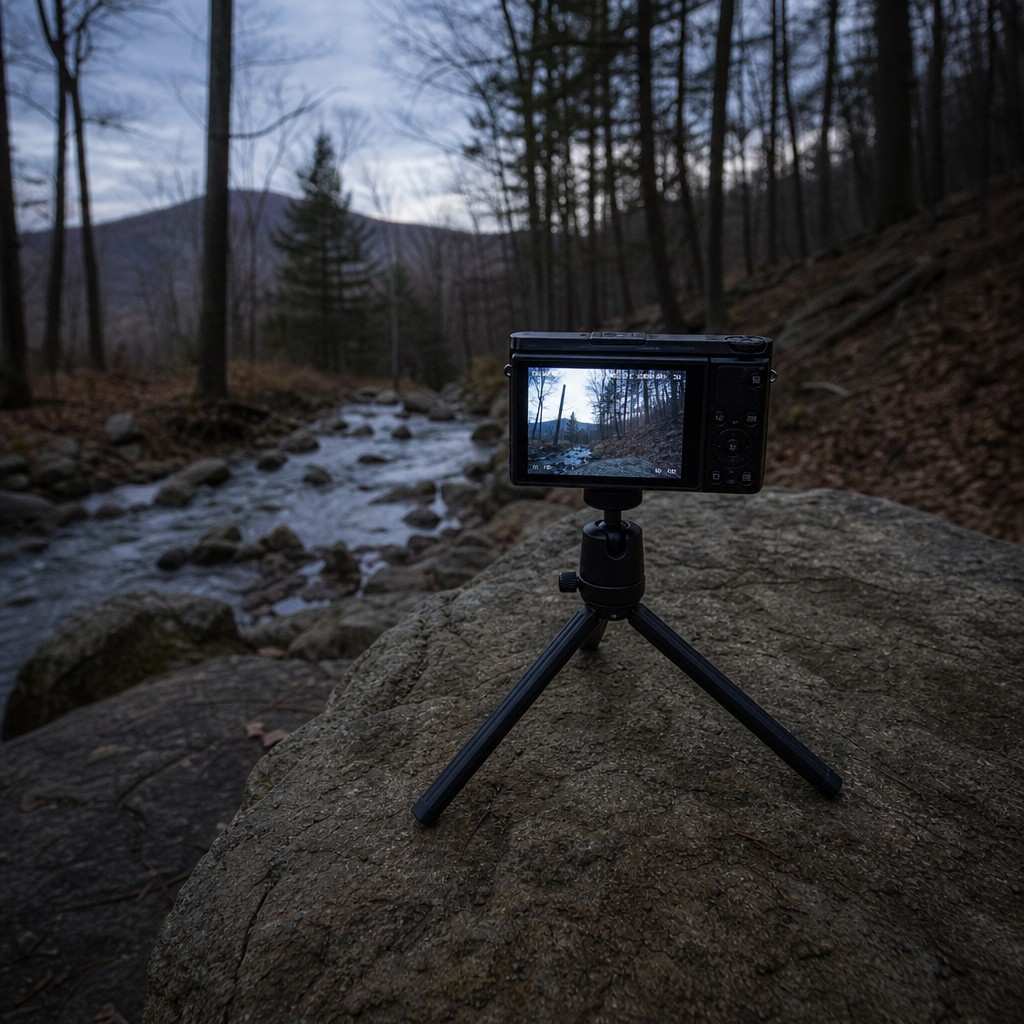
Here is the thing most comparisons miss: the single biggest cause of soft, disappointing outdoor photos is camera shake, not sensor size.
This applies to phones and cameras equally. A tripod or a lightweight phone tripod steadies either device for low-light shots, long exposures of moving water, and any scene where you need time to compose.
It also frees both hands, which changes how you see the frame.
For outdoor light situations where the sun has dropped low and shutter speeds lengthen, a steady base makes more difference than switching devices.
Making the Decision
Three questions settle it for most people.
- What will you actually carry? A camera you leave at home loses to a phone every time. Honest answer beats ideal answer.
- What do you mainly shoot? Kids and family in decent light, wide scenes, wildflowers on a walk: phone. Wildlife at distance, dusk and dawn action, large prints: camera.
- Do you want to learn manual settings? A phone removes that choice. A camera invites it. Neither is wrong.
A phone and a dedicated camera are not rivals, they solve different problems. Many photographers carry both, using smartphone photography for the spontaneous frame and the camera for the deliberate one.
Start where you are. Get good at it. Add the other tool when a specific situation keeps defeating you.
Recent Comments