
Your First Nature Photography Walk: A Simple Plan
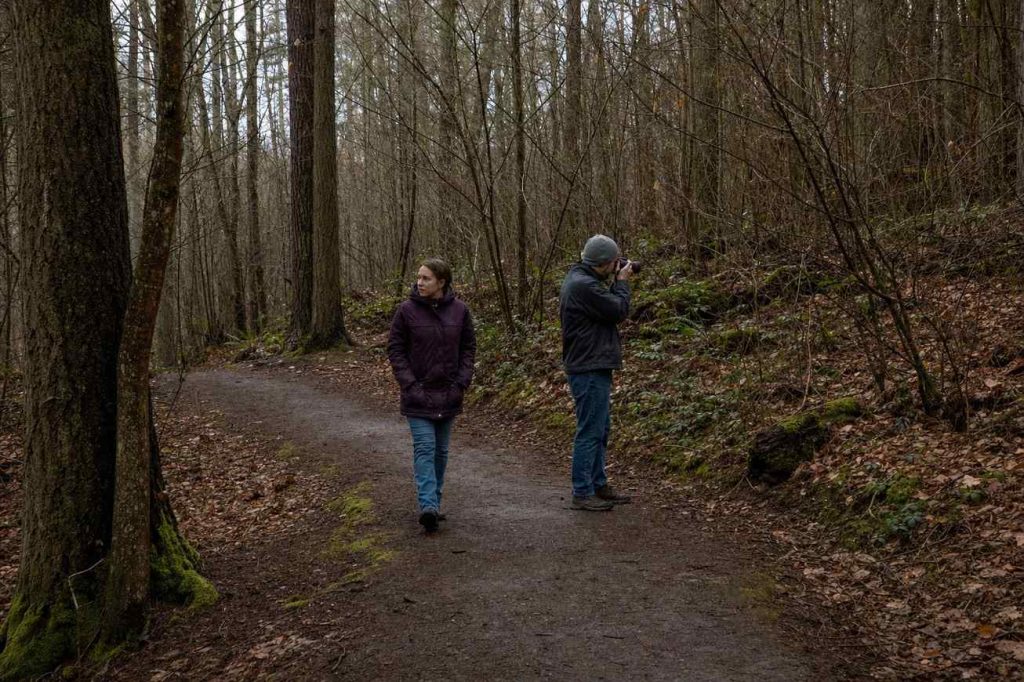
Most people take photos while doing something else. The phone comes out at the park, a few frames get snapped, and the walk continues.
A photo walk is different. The walk is the point, not the backdrop.
Going out with photography as the actual goal, even for an hour, changes the way you move and what you notice. It is the fastest way to start building an eye.
Pick a Place Close to Home
The first walk does not need to earn a special trip.
A nearby park, a trail you already know, or even a residential block works fine. Familiar places are good for a first outing because the surroundings do not compete for attention. When the setting is new, curiosity about the place wins over the slower work of seeing photographically.
Pick somewhere you can reach in ten minutes. That lowers the activation energy enough to actually go.
Keep the Window Short
One to two hours is enough for a first walk.
A longer block sounds like more opportunity, but it usually means losing focus halfway through. An hour with a clear intention is worth more than three hours of wandering.
Go in the morning or the late afternoon if the schedule allows. The light at those times is easier to work with than midday, and the quality of it rewards a short, focused outing.
Go Alone, or With Patient Company
A photo walk with a friend who is not shooting is a social walk with a camera in hand.
That is fine, just different.
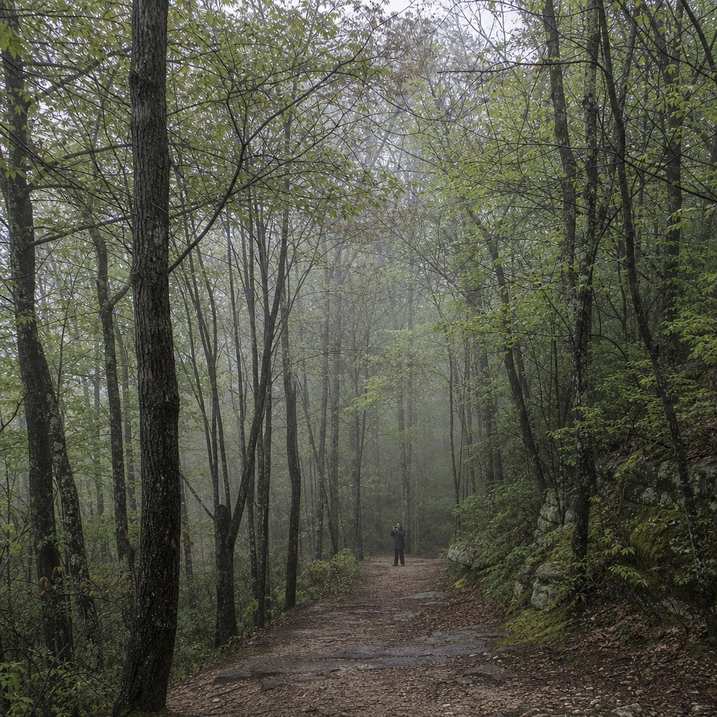
Alone, the pace is entirely yours. There is no pull to keep up, no one waiting while a scene gets a second look. For a first walk where the goal is to slow down and see, solo is usually the better choice.
If company helps motivation, bring someone who is also shooting, or someone who is happy to wait.
Walk Slower Than Feels Natural
This is the one thing most beginners need to hear.
The instinct on a walk is to cover ground. In photography, covering ground is the enemy.
Stop every few minutes, even when nothing is pulling at attention. Stand still and look at what is right in front. Look low. Look at what is in shadow. The subjects are already there; the habit of slowing down is what surfaces them.
A few genuinely slow minutes on a block of trail reveals more than a brisk pass through a whole park.
Pick One Simple Goal for the Walk
Going out to “take nature photos” is too wide.
Narrowing to a single subject or quality gives the walk a focus and makes every scene a decision. Some options that work well for a first time:
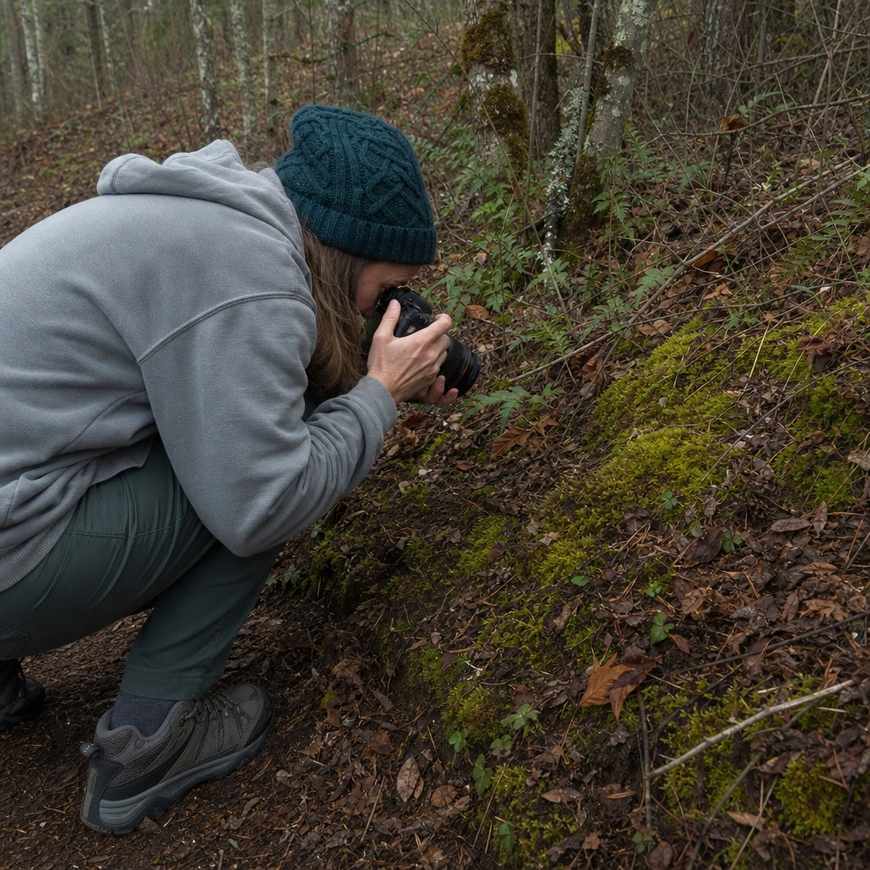
- Texture. Tree bark, stone, seed heads, moss. Side light shows texture best.
- Small details. Anything finger-sized or smaller. This forces getting close and low.
- Water. A pond, a creek, puddles after rain. Water reflects light and moves, so it teaches watching and timing.
- Shadows. The shapes light makes when it falls through leaves or fences.
None of these require a specific location. They are everywhere once the eye is tuned to look.
Work a Scene, Don’t Just Pass Through
When something catches attention, stay with it.
Most photographers take one or two frames and move on. Staying and working the scene is where the better photo usually hides. Take a few steps left. Crouch down. Get closer. Move around the subject until the background is cleaner.
This is not about taking twenty nearly identical photos. It is about asking what the scene looks like from a different angle before deciding it is done.
One minute of deliberate repositioning is worth more than ten snaps from the same spot.
One minute of deliberate repositioning is worth more than ten snaps from the same spot.
Expect Most Frames to Miss
This is not a warning. It is just the math.
Even experienced photographers keep a small fraction of what they shoot. On a first dedicated walk, a few strong frames out of a full memory card is a successful outing.
The goal is not a tight edit of keepers. The goal is building the habit of looking.
Shoot without worrying too much about the keeper rate. Volume on a walk like this is useful because it gives something real to review at home.
Review at Home and Notice What Worked
The walk does not end when the images are on the phone.
Sit with the photos and look for the ones that feel right. Then ask why.
Was the light different in those frames? Did a lower angle change the background? Is there more breathing room around the subject? Those questions are the most productive thing a first photo walk produces.
Not the images themselves.
The habit of asking what worked is what carries into the next walk.
Photo walks work as a family activity too, especially if children are involved. The same low-pressure approach that applies to photographing kids outdoors works here: give them something to look for, slow the pace, and let the noticing happen on its own.
Recent Comments