
What to Pack for a Day of Outdoor Photography
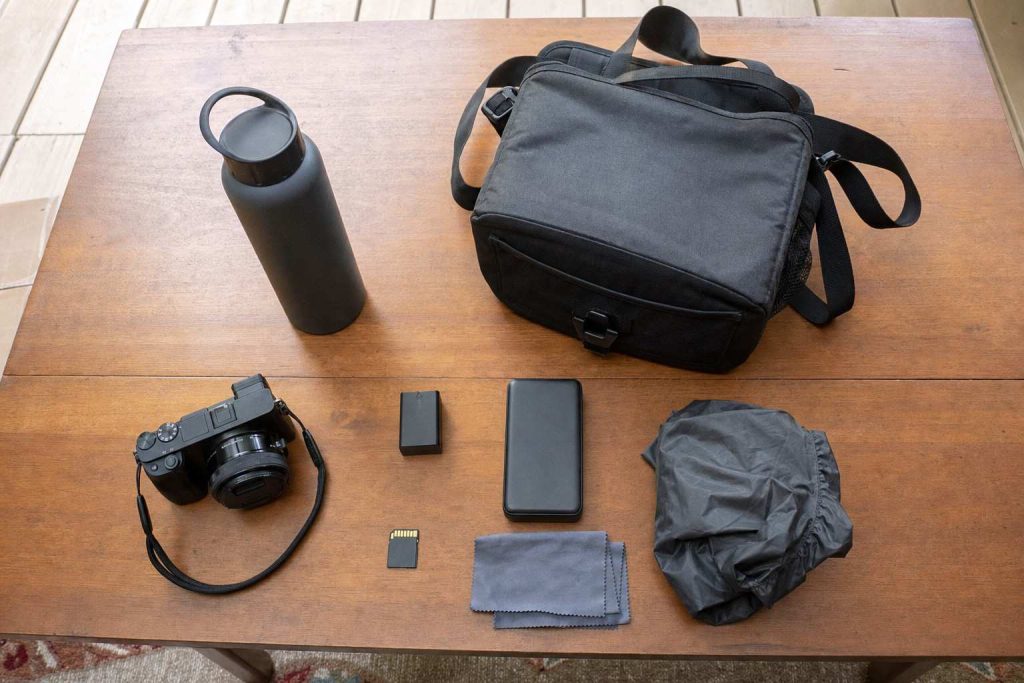
The bag that sounded organized at home becomes a problem on a trail. Too heavy and you stop walking. Too light and you miss shots because the battery is dead or the lens is fogged.
The goal is a bag you forget you are carrying, right until you need something.
Here is what actually earns its place.
Your Camera or Phone
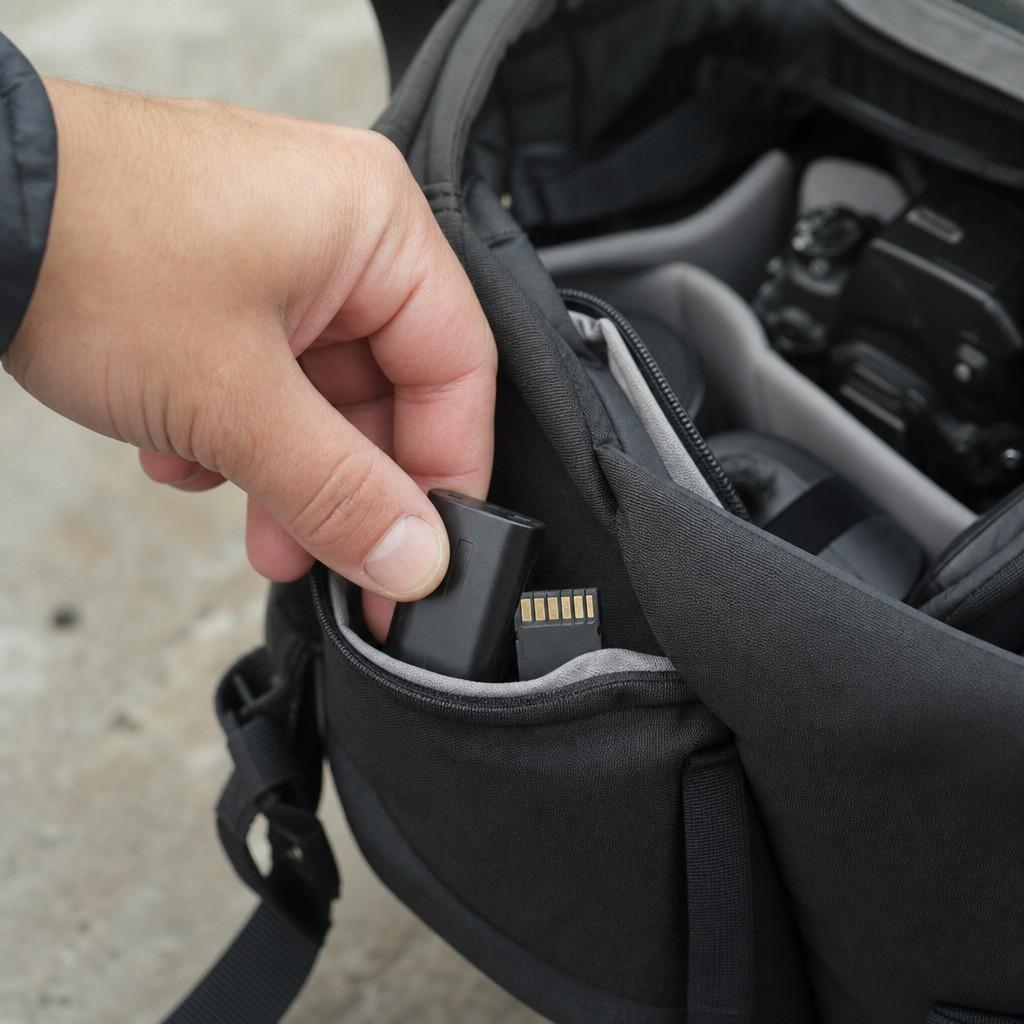
Whether it is a mirrorless body or a phone, this is the whole point of the trip. Carry it where you can reach it in two seconds, not buried at the bottom.
A camera strap worn across the chest keeps the body accessible and distributes weight better than a neck strap on a long day. For a phone, a wrist lanyard or a clip mount on a hip belt keeps it ready without adding a dedicated camera bag.
The choice between a phone and a dedicated camera changes the kit considerably; the rest of this list applies to both.
A Spare Battery (and a Power Bank)
A dead battery ends the outing early. Entry-level cameras and phones burn through power fast, especially in cold air or when shooting video.
Carry at least one fully charged spare battery in a shirt pocket where it stays warm. For phones and newer mirrorless bodies that charge over USB, a 10,000 mAh power bank adds a full charge or more and fits in any side pouch.
Charge both the night before. Do not wait for the morning.
An Extra Memory Card
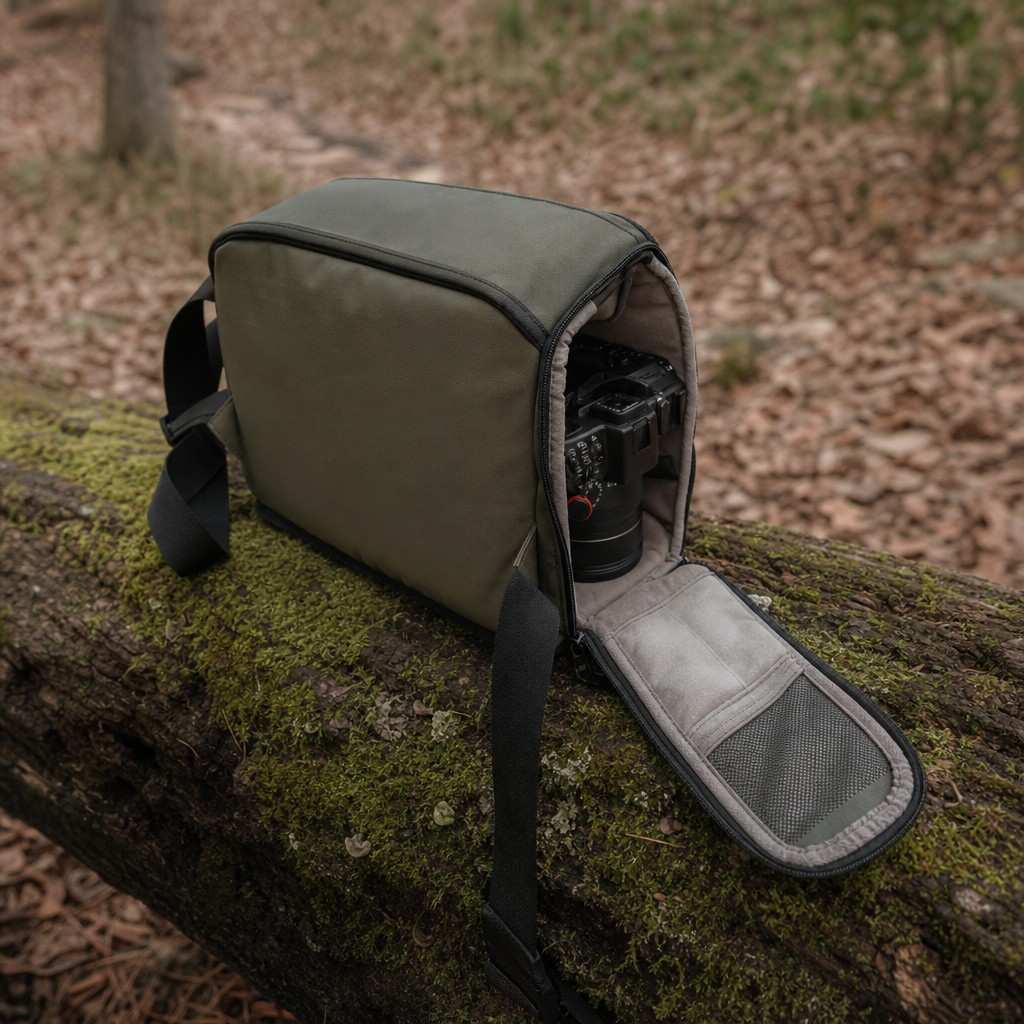
One card sounds fine until it fills up mid-session, or until you realize you never reformatted it after the last trip.
Keep a spare card in a dedicated pocket, not loose at the bottom of the bag. A card that holds 64 GB of RAW files is inexpensive and weighs almost nothing. Label the slot and make a habit of checking it before you leave the car.
Running out of storage and running out of battery are the two most avoidable ways to cut a shoot short.
A Microfiber Lens Cloth
Humidity, a sudden rain shower, fingers that grazed the front element by accident. A clean lens matters more than most settings adjustments.
One small microfiber cloth, stored in a zip pocket so it stays clean, handles all of it. Breathe gently on the glass first to loosen any smear, then wipe in a slow circle from the centre outward.
A scratched or dirty lens is a permanent problem a cloth costs two dollars to prevent.
A Bag That Opens Fast
The bag does more than carry things. It determines whether you get the shot.
A bag with a side or top access flap beats one where you unzip the whole back panel every time a bird lands or a child does something worth shooting. Sling bags, small hiking packs with a side zipper, and chest packs all work. What does not work is a bag that makes you stop, set it down, and dig.
Pad the main compartment if you are carrying a camera body, or use a dedicated insert inside a hiking daypack.
A bag that opens fast is a bag you actually reach for.
Water and a Snack
Not photography gear, but responsible for most early retreats.
Half a liter of water minimum for a two-hour outing in mild weather, a full liter for anything longer or warmer. A granola bar or a handful of nuts weighs almost nothing and keeps concentration intact when the light finally gets interesting.
Low blood sugar and a heavy bag produce the same result: shorter trips and less patience to wait for the shot.
Rain Protection
Weather turns faster outdoors than any forecast suggests.
A basic rain cover for a camera bag costs under fifteen dollars and packs flat against the back wall of most packs. No cover? A zip-lock gallon bag over the camera body and lens works in a pinch. Keep a second zip-lock for the phone and extra cards.
If the light shifts to overcast or soft diffused conditions, that is often the best light of the day. Do not let a light rain be the reason to pack up.
The Discipline of Packing Light
Every item added to the bag is a weight that slows down the walk.
Shoot with one lens or in one focal range for the whole outing. Swapping lenses on a trail introduces dust and takes both hands off the bag while it is balanced on a log. A single versatile focal length, something in the 24-70mm equivalent range for a camera or the standard wide of a phone, covers most situations.
The photographers who come back with strong images are rarely the ones with the heaviest kits.
Pack only what you will reach for. Leave everything else in the car.
Recent Comments