
How to Find Great Local Spots for Nature Photography
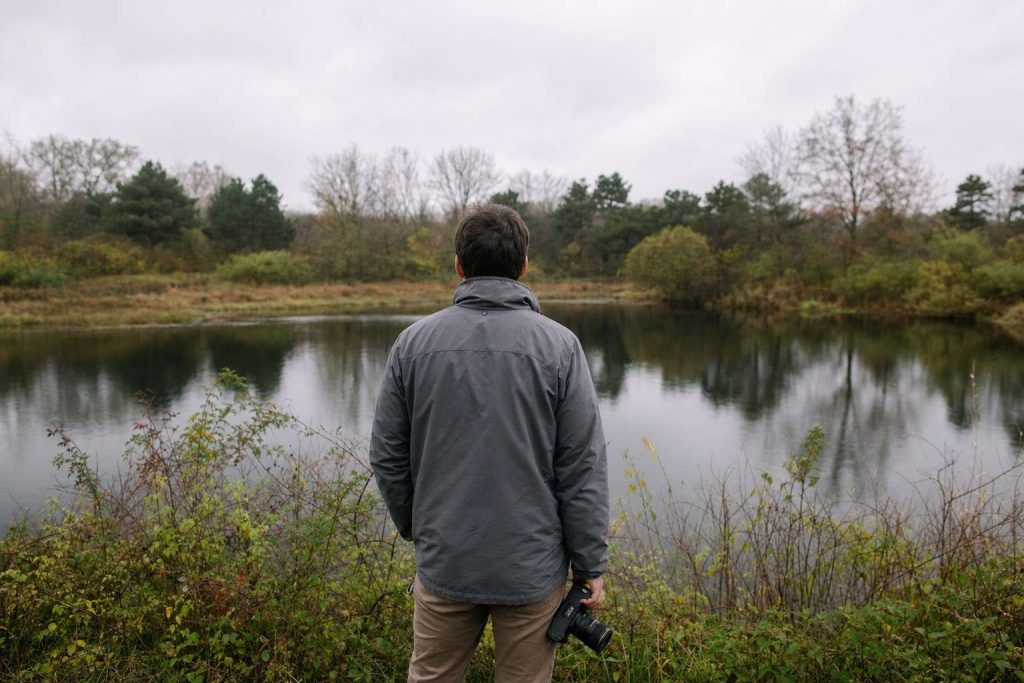
Most people assume good nature photography requires a long drive or a special trip.
It rarely does.
The best spots near you are probably within fifteen minutes, and most hobbyists never find them because they never look.
Scouting is its own skill, separate from shooting. Here is how to build it.
Start With What Is Already Nearby
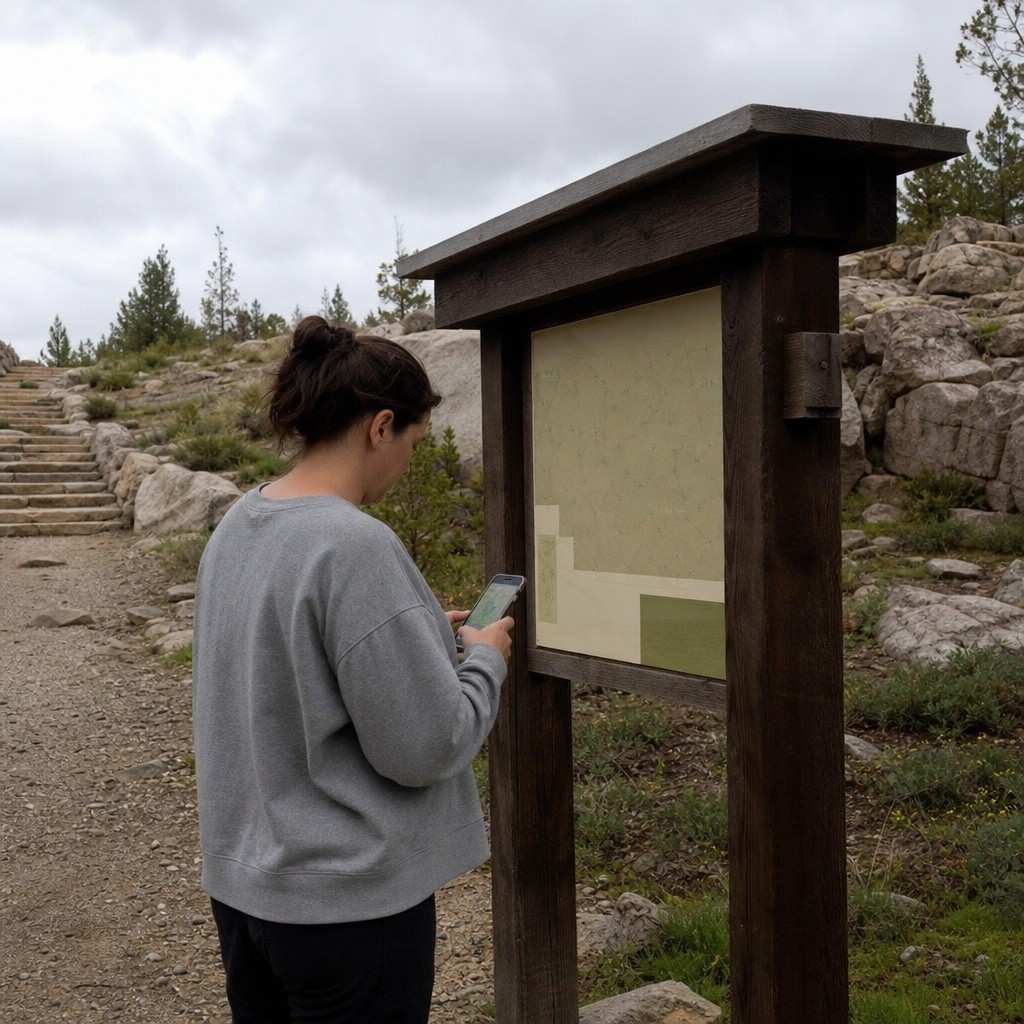
The first pass is the easy one. Think of every public green space within a short drive.
- Local parks, even small neighborhood ones
- Nature preserves and wildlife refuges
- Botanical gardens and arboretums
- Community ponds, retention basins, creek paths
- Trailheads at the edge of town
Water is the single best indicator of photogenic habitat.
Ponds and slow-moving streams attract birds, insects, and reflections. Any patch of water on a map is worth a visit.
Do not dismiss ordinary places. A suburban retention pond in early morning often has more to photograph than a crowded state park at noon.
Use Maps Before You Go
Satellite view in Google Maps or Apple Maps is free, and it shows you things a road sign never will.
Zoom in and look for habitat edges: a sharp tree line where open ground meets woods, a gap in the canopy where a clearing might sit, a pond or creek that does not appear on the park map.
These edges, where one habitat type meets another, tend to hold the most wildlife and the most interesting light.
Before visiting, spend five minutes scanning the area from above. Mark the spots that look promising.
Check access before you go, not when you arrive. Public land databases like onX or the USDA forest service maps show whether a trail or field is open to the public. Most parks post their rules online.
Knowing access in advance saves a wasted trip.
Scout at the Right Time of Day
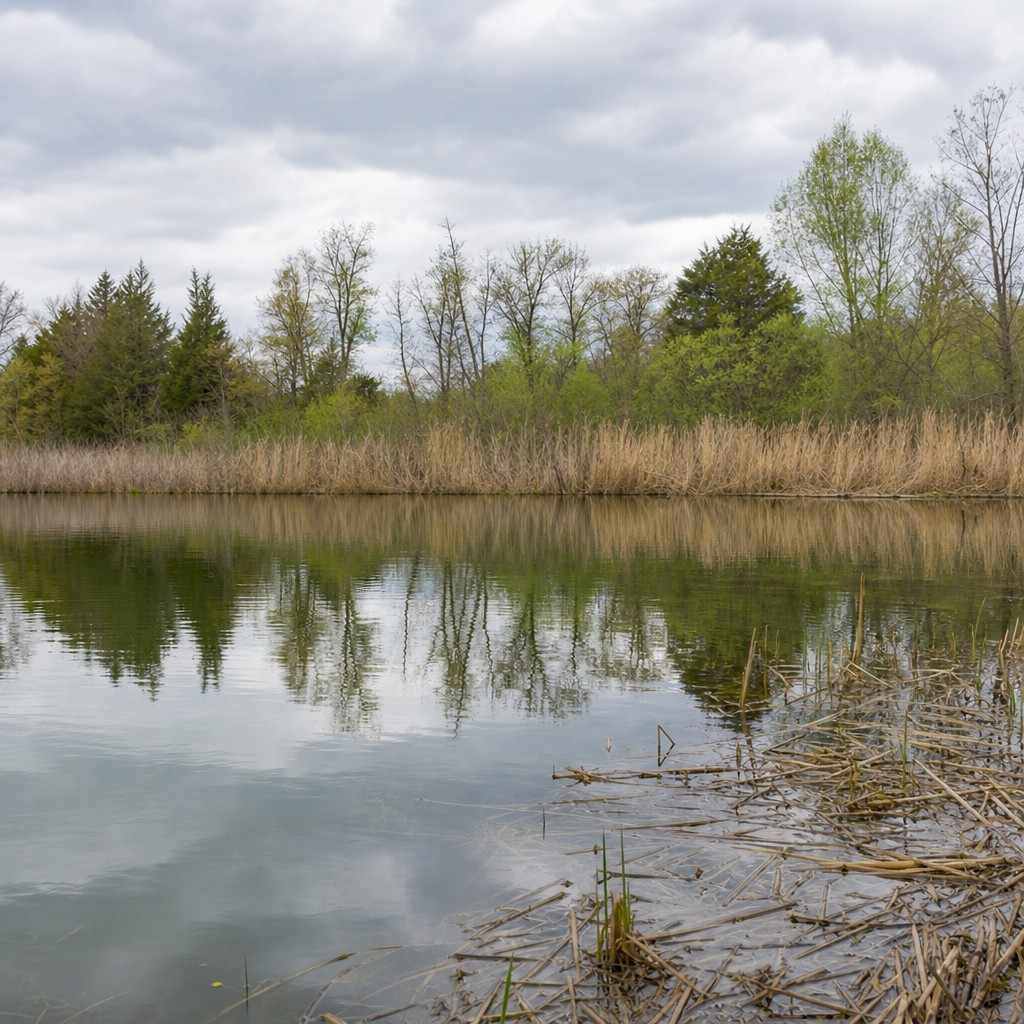
A place looks completely different at 7 a.m. than it does at noon.
Golden-hour light, the first hour after sunrise and the last before sunset, turns a plain spot into something worth shooting.
It adds texture, color, and long shadows that midday light erases.
Scouting at the wrong time is one of the most common mistakes.
A flat, bright afternoon visit will not tell you what the place looks like when the light is actually worth shooting in.
Visit at the time you plan to shoot. If your plan is early mornings, scout an early morning. Walk the spot, notice where the light falls, identify the best angles.
Then you can show up next time ready to shoot instead of still figuring out the layout.
Visit at the time you plan to shoot. A spot that looks ordinary at noon can be completely different at 6 a.m.
Return to the Same Spots Across Seasons
One visit tells you what a place can do in one moment.
A spot you know across four seasons becomes one you can rely on.
Spring brings wildflowers and nesting birds. Summer gives dense green cover and early mist on water. Fall shifts the colors entirely. Winter strips the leaves and opens up sight lines that did not exist in August.
The photographers who always seem to be in the right place have often just visited the same spots many times.
They know which tree line goes gold in October and which pond holds a heron in spring. That knowledge comes from returning, not from searching for somewhere new every time.
Good outdoor photo composition depends on knowing a place well enough to see its angles in advance.
Keep a Short, Reliable List
There is a temptation to keep adding new locations. A short list of spots you know well outperforms a long list of places you have visited once.
Aim for five to eight reliable locations close to home. Each one should offer at least one of these:
- Good water or wildlife access
- An interesting tree line or clearing
- A view that changes well across seasons
- Easy early-morning parking
When you get a free hour and good light, a short trusted list means you can be somewhere productive in minutes.
A long list of half-remembered spots means you spend the morning deciding.
Add new locations slowly. Visit somewhere twice before it earns a place on the list.
The second visit is usually where you find out whether the spot actually delivers.
What to Look for on a First Visit
When scouting a new location, walk the whole area before raising the camera.
Four things tell you whether a spot is worth returning to: early light access, water nearby, a clean background from the natural angles, and at least one leading line like a path, a fence, or a shoreline.
- Where does the light hit first in the morning?
- Is there water that is accessible without trampling habitat?
- What does the background look like from the most natural shooting angles?
- Are there lines that could anchor a strong composition on trails or in open areas?
A five-minute walkthrough answers most of those questions.
The goal of a scout is not to come home with photos.
The goal is to leave knowing exactly where to stand and when to come back. Good spots are rarely obvious on the first look. The ones worth keeping usually require one visit to find and one to actually use.
Recent Comments